Robotic Urology Surgery

Robotic Surgery
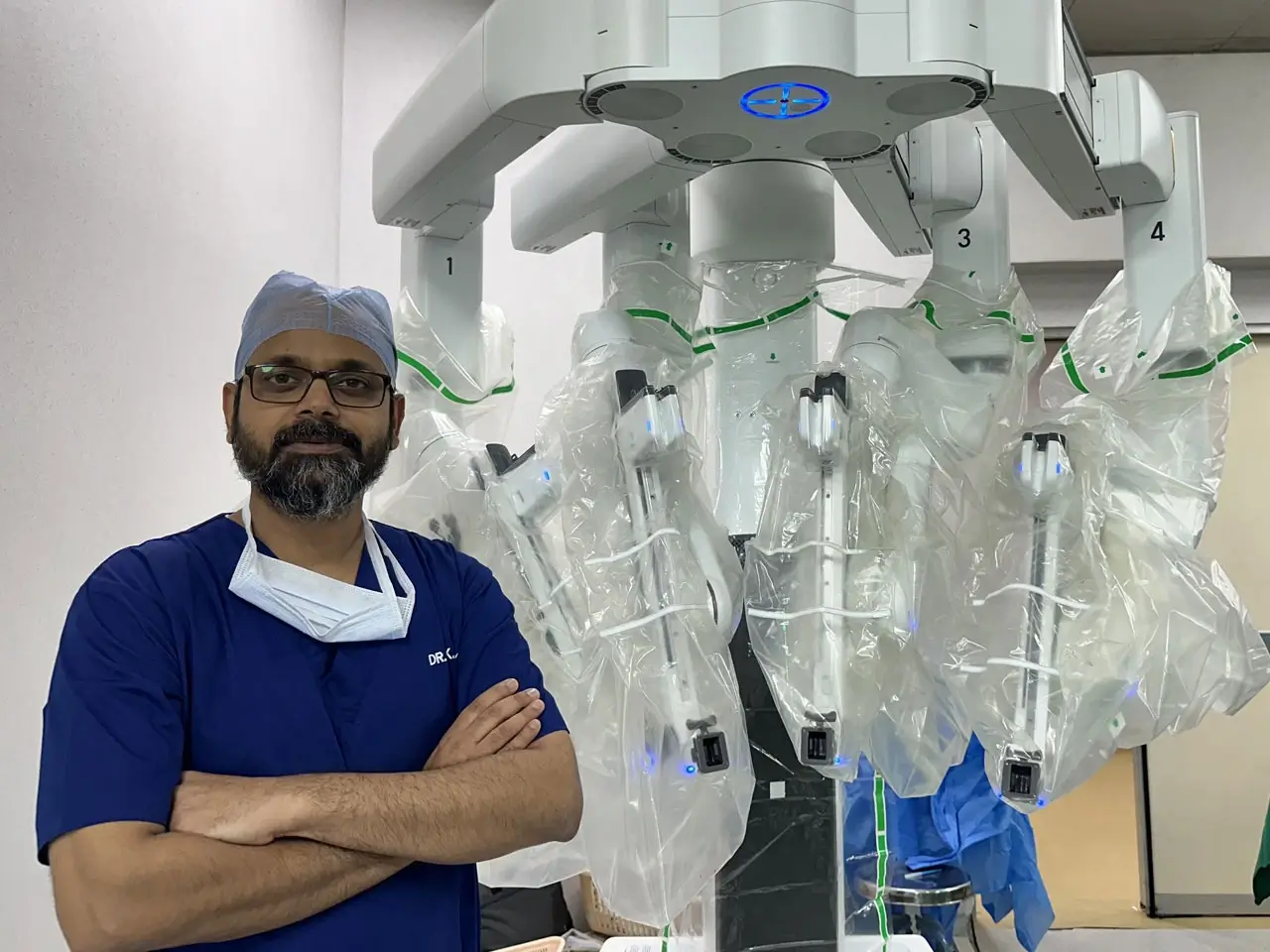
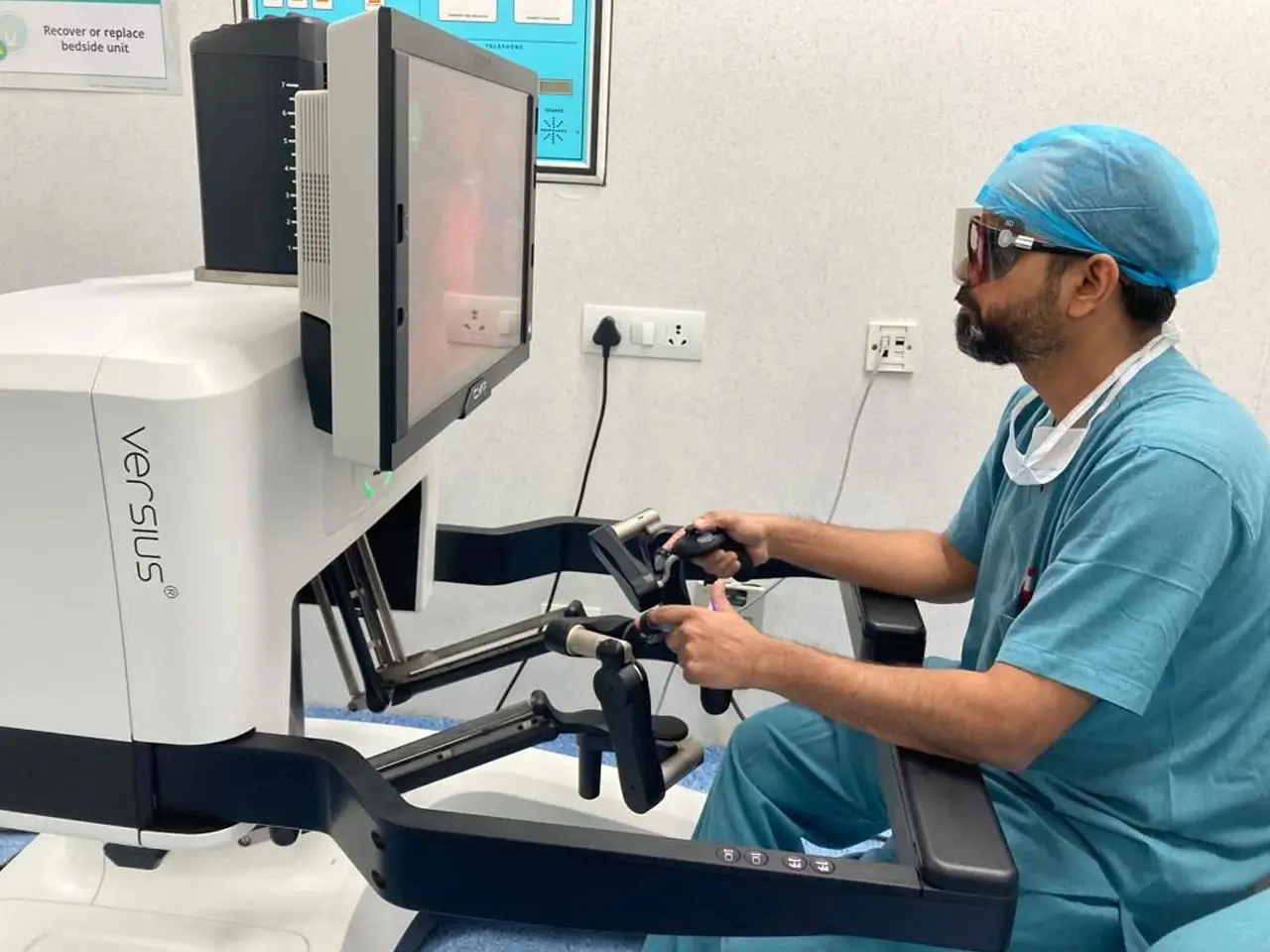
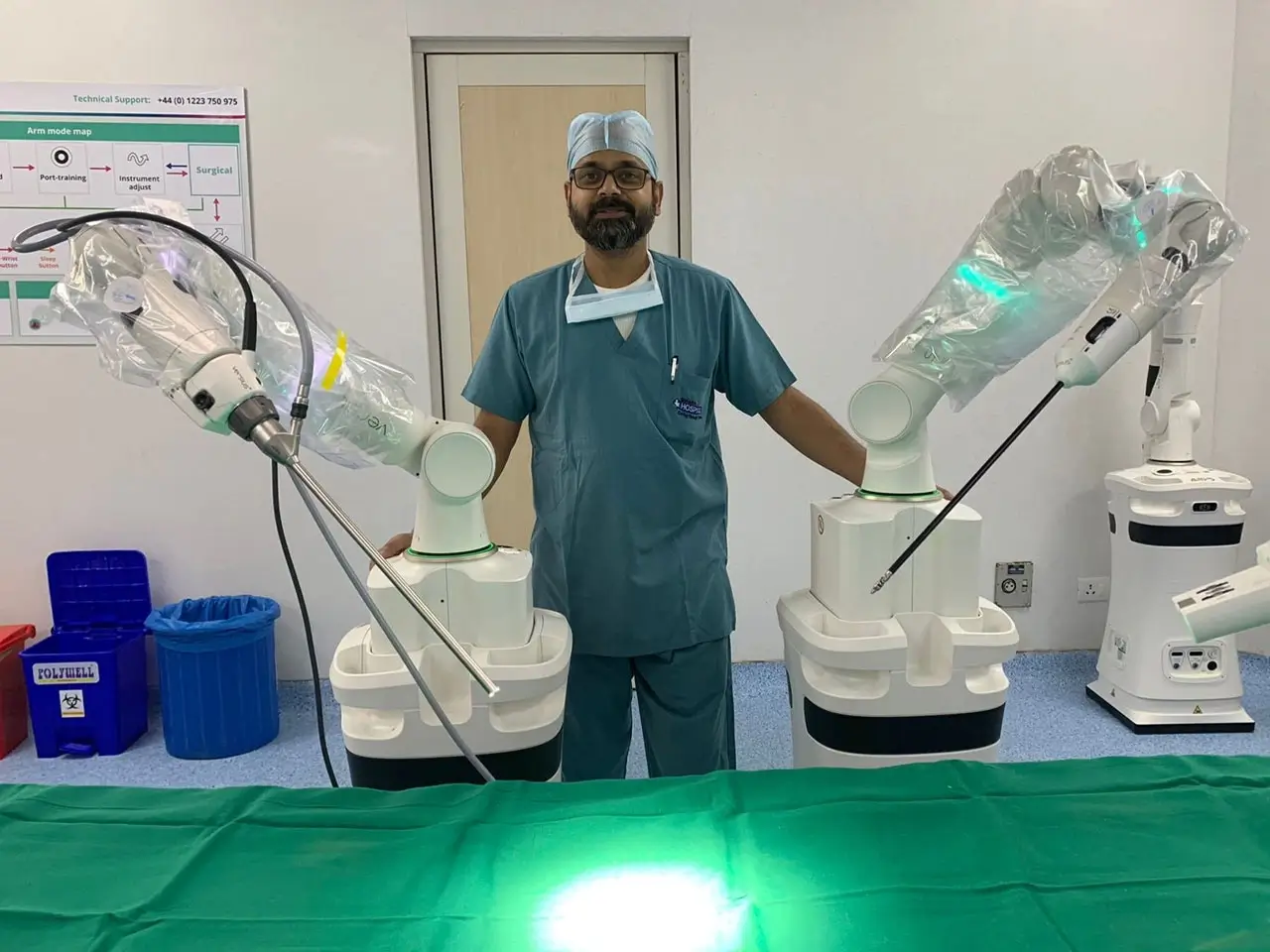
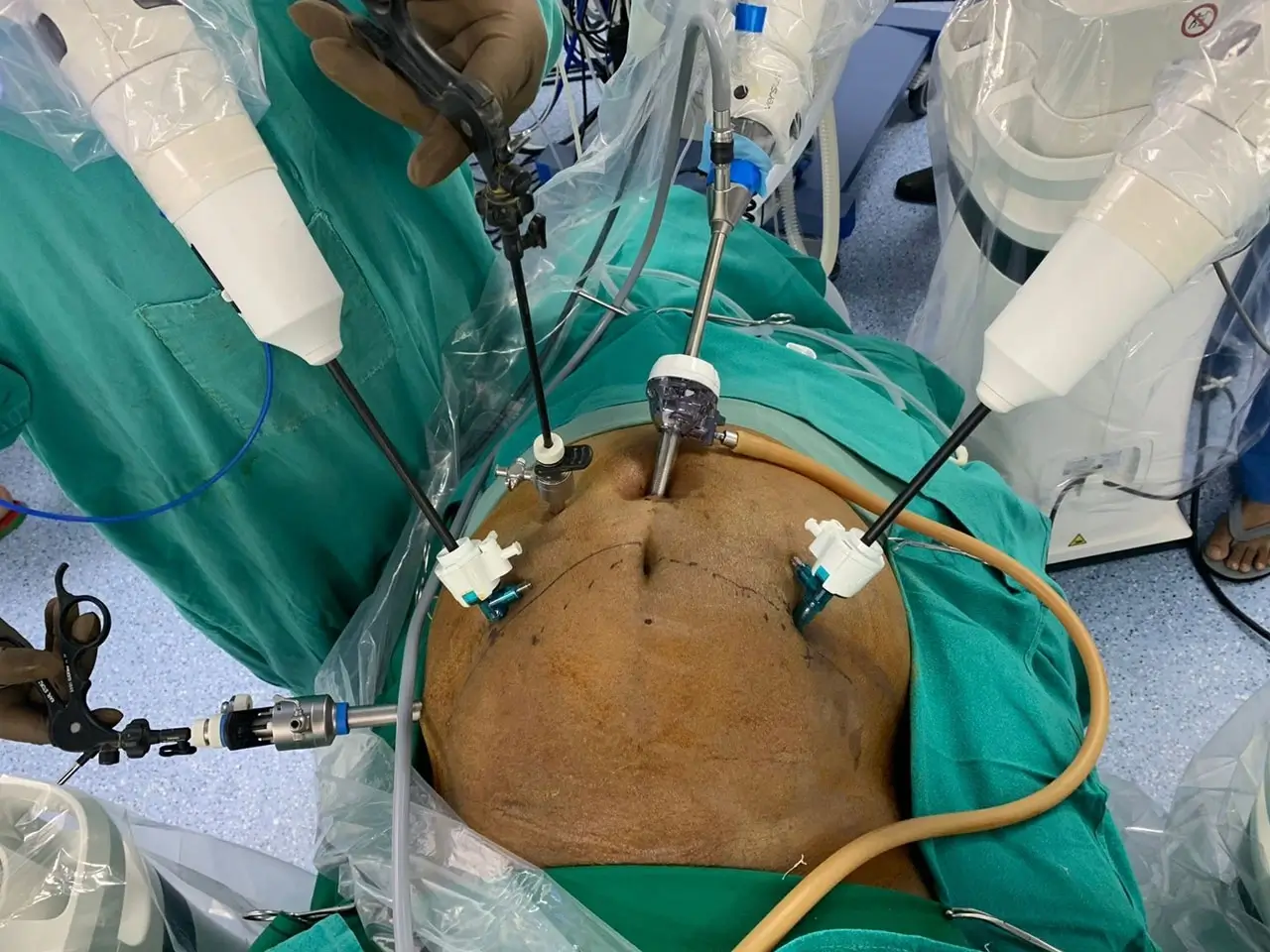
Robotic surgery has transformed urology by enabling complex procedures through minimally invasive approaches with high precision, better functional preservation, and faster recovery. Its role now spans oncologic, reconstructive, and functional procedures, and continues to expand as technology evolves.
Scope of Robotic Surgeries in Urology
- Urology was among the earliest and fastest specialties to adopt robotic platforms, making robot-assisted procedures a distinct subspecialty within two decades.
- Robotic systems are routinely used for radical prostatectomy, partial and radical nephrectomy, cystectomy with urinary diversion, pyeloplasty, adrenalectomy, complex ureteric reconstruction and now for Robotic assisted Kidney Transplant Surgery as well.
Technical Advantages
- Three-dimensional, high-definition vision and articulated instruments with tremor filtration allow precise dissection and suturing in confined spaces such as the deep pelvis and retroperitoneum.
- These features help spare neurovascular bundles and other critical structures, reducing risks of postoperative incontinence and erectile dysfunction in prostate and bladder surgery.
Impact on Patient Outcomes
- For as many indications, robotic surgery is associated with reduced blood loss, less postoperative pain, shorter hospital stay, and quicker return to normal activities compared with open surgery.
- Oncologic outcomes for procedures such as radical prostatectomy and partial nephrectomy are generally comparable to open approaches, while functional outcomes (continence, potency, renal preservation) may be improved in experienced hands.
Future Directions
- Newer generations of robots, integration of imaging, augmented reality, and AI are expected to enhance efficiency and potentially reduce costs over time.
- Expanding indications in functional urology and refinements such as single-site and miniaturized instruments suggest that robotic surgery will play an even more central role in urologic practice in the coming years.